October 24, 2023
4 Important Issues When Selling Used IT Equipment
Navigating the sale of used IT equipment can be challenging. In this article, we’ll highlight the most common issues when selling used IT equipment that people commit. The intricacies of selling such equipment are frequently overlooked, leading to potential pitfalls and misunderstandings. Our goal is to shed light on these prevalent mistakes, empowering you to steer clear of them in your future sales.
 Any discrepancy in noting down a product number can result in time and financial losses for all parties. Hence, we suggest you provide both the product number and its corresponding image for verification.
For instance, if there’s a slight variation in the product number you noted, it might raise concerns.
The ITAD firm might then inform you about a monetary adjustment due to the product number discrepancy.
Without an accompanying photo, there’s no way to validate their claim. Simplify the procedure for all and safeguard your interests.
While it is important to take photos to help document the equipment you are selling and to take lots of photos, it is just as important to take photos of all the equipment including photos of any damage both cosmetic and any that could affect the performance of the equipment. Hiding flaws and performance issues will only delay the process of completing the sale of your equipment resulting in lower final quotations and the reseller being wary of doing business with you in the future.
Any discrepancy in noting down a product number can result in time and financial losses for all parties. Hence, we suggest you provide both the product number and its corresponding image for verification.
For instance, if there’s a slight variation in the product number you noted, it might raise concerns.
The ITAD firm might then inform you about a monetary adjustment due to the product number discrepancy.
Without an accompanying photo, there’s no way to validate their claim. Simplify the procedure for all and safeguard your interests.
While it is important to take photos to help document the equipment you are selling and to take lots of photos, it is just as important to take photos of all the equipment including photos of any damage both cosmetic and any that could affect the performance of the equipment. Hiding flaws and performance issues will only delay the process of completing the sale of your equipment resulting in lower final quotations and the reseller being wary of doing business with you in the future.

 This leads to the finger pointing of who was responsible for the damage to the equipment and when you are talking about thousands of dollars worth of equipment things can get testy. This scenario isn’t rare. Many believe their packing is foolproof, overlooking the potential rough handling during shipment. If you possess the item’s original packaging, it’s advisable to utilize it, as it’s tailored for your device and offers optimal protection. Always prepare for the worst-case scenario with your parcel, including possible drops and rough handling. Ensure components are tightly packed to prevent movement and potential damage during transit; avoid stacking. Utilize CPU and RAM trays when feasible and never skip insuring the package. The goal is for the item to reach in the condition it was dispatched, benefiting all parties financially. Dedicate extra effort to pack securely to ensure safe delivery. Should any damage occur during shipping, damaged items are priced differently and might end up as scrap if severely harmed. Prevention truly outweighs the cure in this context. For instance, when packing servers, opt for polyurethane foam inserts over polyethylene. Such small precautions can be game-changers. Established ITAD firms like TeleTraders can offer essential packing resources and guidance.
#1: Contacting Too Few Potential Buyers
This is an easy mistake to make as disposing of your old equipment is sometimes almost an afterthought. Yet along with the items we note below, a little due diligence can make a large difference in the cash you can receive when selling your gear.By meticulously documenting your equipment, you can swiftly obtain quotes from various IT firms, aiding your decision-making process. If factors like secure data deletion, on-site collection, or migration services are vital to you, it’s essential to weigh these ITAD company features alongside or even above their pricing. From the resellers you consider make sure they can provide the services that are important to you:- Data Security – If this is important to you make sure the reseller follows ITAD guidelines for handling sensitive data:
- Can they pick up the equipment thereby ensuring data security even during the transportation process.
- Do they provide a full audit report of the equipment received?
- Do they follow industry guidelines like ITAD, R2, eStewards, ISO 14001, and ISO 45001 for the data destruction process?
- Do they provide certificates of destruction formally documenting the destruction process?
- How fast will you receive your funds for the equipment?
- Do they keep you up to date throughout the process?
#2: Document, Document, Document
It is vitally important that you document the equipment as much as possible and it will help you in two ways.- The less documentation you provide on the equipment the greater the variation you will get in the estimated quote you receive from the reseller. There are lots of variations of different IT equipment. Even seemingly specific parts can have a number of significantly different versions that make a big difference in price. For example, say you have Dell R730 servers. Well there are hundreds of variations within just that model and the dollar value can vary by a factor of 10 depending upon the EXACT part number that you are selling.
- Any documents covering warranties, service contracts, performance certificates all help the reseller assess the value of the equipment. Even providing the original OEM documentation shows a level of care that can add to the value of the equipment.
#3: Make Sure to Take Pictures, Lots of Pictures
Images speak volumes. To receive a precise estimate, it’s beneficial to provide photos. These visuals clearly display your equipment and hint at its condition. It’s strongly advised to also capture images of the product numbers, ensuring both clearer understanding and your own security.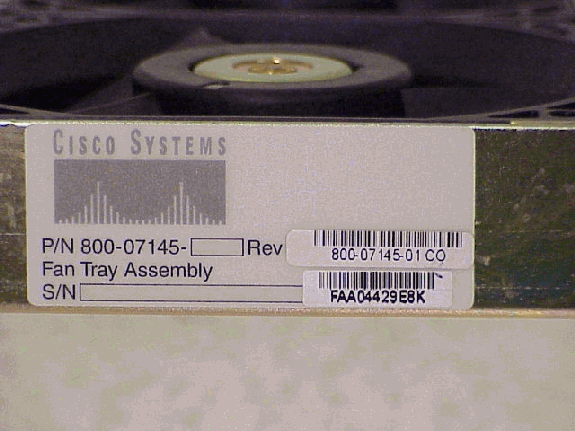 Any discrepancy in noting down a product number can result in time and financial losses for all parties. Hence, we suggest you provide both the product number and its corresponding image for verification.
For instance, if there’s a slight variation in the product number you noted, it might raise concerns.
The ITAD firm might then inform you about a monetary adjustment due to the product number discrepancy.
Without an accompanying photo, there’s no way to validate their claim. Simplify the procedure for all and safeguard your interests.
While it is important to take photos to help document the equipment you are selling and to take lots of photos, it is just as important to take photos of all the equipment including photos of any damage both cosmetic and any that could affect the performance of the equipment. Hiding flaws and performance issues will only delay the process of completing the sale of your equipment resulting in lower final quotations and the reseller being wary of doing business with you in the future.
Any discrepancy in noting down a product number can result in time and financial losses for all parties. Hence, we suggest you provide both the product number and its corresponding image for verification.
For instance, if there’s a slight variation in the product number you noted, it might raise concerns.
The ITAD firm might then inform you about a monetary adjustment due to the product number discrepancy.
Without an accompanying photo, there’s no way to validate their claim. Simplify the procedure for all and safeguard your interests.
While it is important to take photos to help document the equipment you are selling and to take lots of photos, it is just as important to take photos of all the equipment including photos of any damage both cosmetic and any that could affect the performance of the equipment. Hiding flaws and performance issues will only delay the process of completing the sale of your equipment resulting in lower final quotations and the reseller being wary of doing business with you in the future.

#4: The Packaging Merry-Go-Round
Often, IT equipment is functional when dispatched, but arrives damaged at our end or another ITAD firm’s location. This leads to the finger pointing of who was responsible for the damage to the equipment and when you are talking about thousands of dollars worth of equipment things can get testy. This scenario isn’t rare. Many believe their packing is foolproof, overlooking the potential rough handling during shipment. If you possess the item’s original packaging, it’s advisable to utilize it, as it’s tailored for your device and offers optimal protection. Always prepare for the worst-case scenario with your parcel, including possible drops and rough handling. Ensure components are tightly packed to prevent movement and potential damage during transit; avoid stacking. Utilize CPU and RAM trays when feasible and never skip insuring the package. The goal is for the item to reach in the condition it was dispatched, benefiting all parties financially. Dedicate extra effort to pack securely to ensure safe delivery. Should any damage occur during shipping, damaged items are priced differently and might end up as scrap if severely harmed. Prevention truly outweighs the cure in this context. For instance, when packing servers, opt for polyurethane foam inserts over polyethylene. Such small precautions can be game-changers. Established ITAD firms like TeleTraders can offer essential packing resources and guidance.
